




our history
40 Years of Partnership with MSF
Explore the key milestones that have marked Epicentre’s history, as well as the themes, innovations, and research that have shaped our work over the decades. Discover how, in each of our major areas of activity, our studies have supported changes in practice and helped advance public health policies.
1986
Founding of Cirem (International Center for Medical Research and Education), which would be renamed Epicentre in 1988
1986
First “Populations in Precarious Situations” (PSP) training course, designed to prepare MSF staff to respond to humanitarian emergencies.
1994
NutVacci, designed to prepare MSF medical staff to organize vaccination campaigns and manage cases of malnutrition.
1997
Launch of “Response to Epidemics” (RepEpi) to train participants to anticipate and respond effectively to diseases with epidemic potential.
2000–2012
FUCHIA training programs.
2008
Decentralization of training sessions in the field.
2020
First “Response to Epidemics” (RepEpi) training course delivered entirely online.
2020–2022
Digitization of RepEpi training courses and adaptation of the PSP using DIMERSI (Diagnosis in Emergency Situations).
2021
First training course for MSF medical staff on the general fundamentals of epidemiology and statistics.
2022
Launch of FETCH—Field Epidemiology Training in Humanitarian Contexts.

1990
Development of the 10 health priorities in crisis situations.
Since its inception, Epicentre has conducted nearly 170 mortality surveys, often in crisis contexts with extremely limited access, to document the health impact of violence on populations
1991 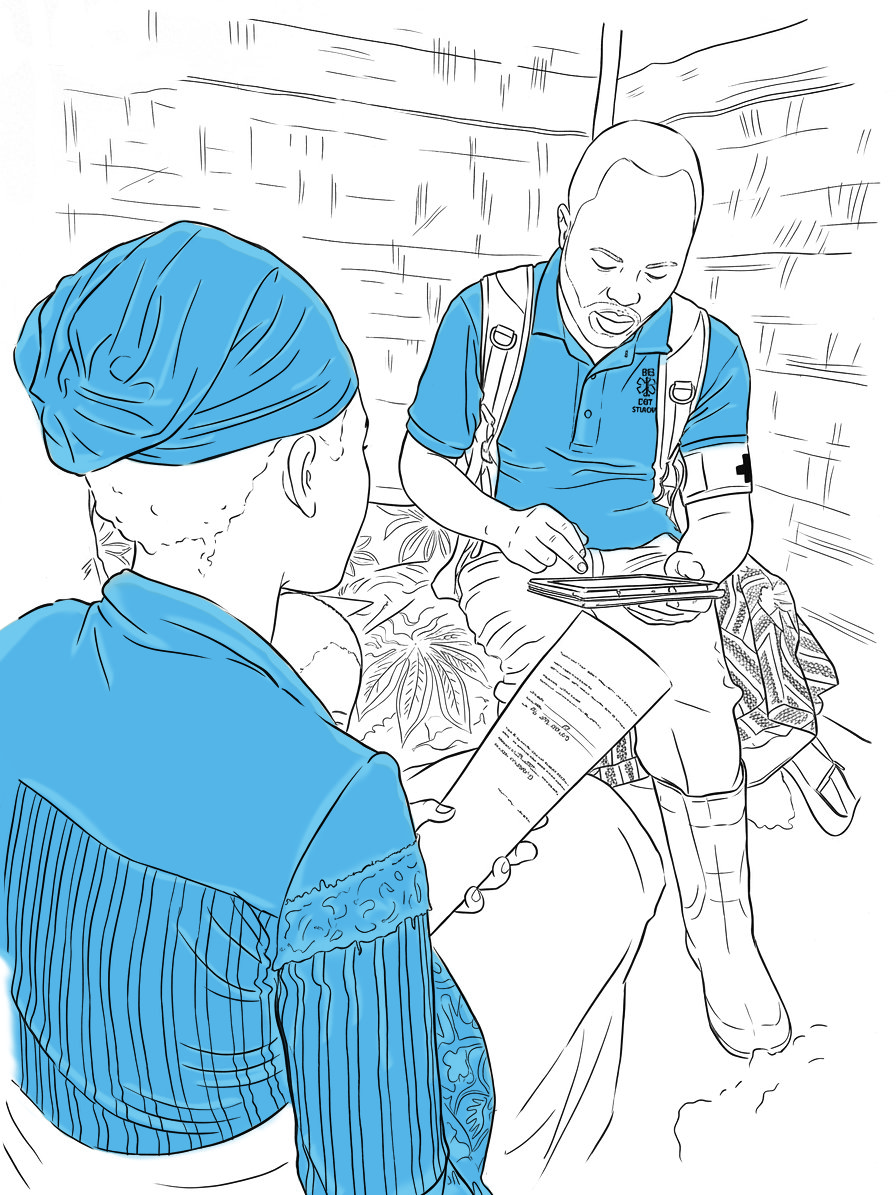
First mortality survey in Iraqi Kurdistan, introducing the mapping technique.
1992
Somalia: Identification of a catastrophic mortality rate (4.5 per 10,000 per day) among displaced persons in the districts of Merca and Qorioley.
1994
Goma, DRC: Among Rwandan refugees, more than 10% of the population died within a month, 88% of whom died from diarrhea.
2002
Angola: Overall and infant mortality rates were significantly higher than normal among displaced persons associated with UNITA, with numerous deaths due to malnutrition.
2004
Darfur: Documentation of violence and excess mortality among civilian populations.
2008
North Kivu in the DRC: approximately one-third of deaths were attributable to violent causes at two study sites.
2017
Rohingya: high rates of violence-related deaths in Myanmar, contrasting with lower mortality observed after displacement to Bangladesh.
2023
Sudanese refugees in Chad: sharp escalation of violence (up to 82% of deaths resulting from violence).
2024
Eastern DRC: Highlighting the scale and persistence of violence against women displaced by war.
2025
Mauritania: First use of a mixed-methods approach to describe violence and mortality among Malian refugees and the host population (Bassiknou district).
As early as 1980, MSF identified measles as one of the leading causes of child mortality. Mass measles vaccination was then included as the second of 10 health priorities in crisis situations.
1990
A study conducted in Niamey, Niger, highlighted the effectiveness of the measles vaccine, ranging from 86% to 94% depending on age group and the method used.
2006
The benefits of vaccination during an epidemic were demonstrated in Niger.
2013
Identification of risk factors for mortality and demonstration of the importance of decentralized case management during a measles outbreak of unusual magnitude in eastern DRC.
Since 2018
Implementation of the Urgepi project in four provinces of the Greater Katanga region in the DRC, aimed at improving strategies for the prevention of and response to measles outbreaks.
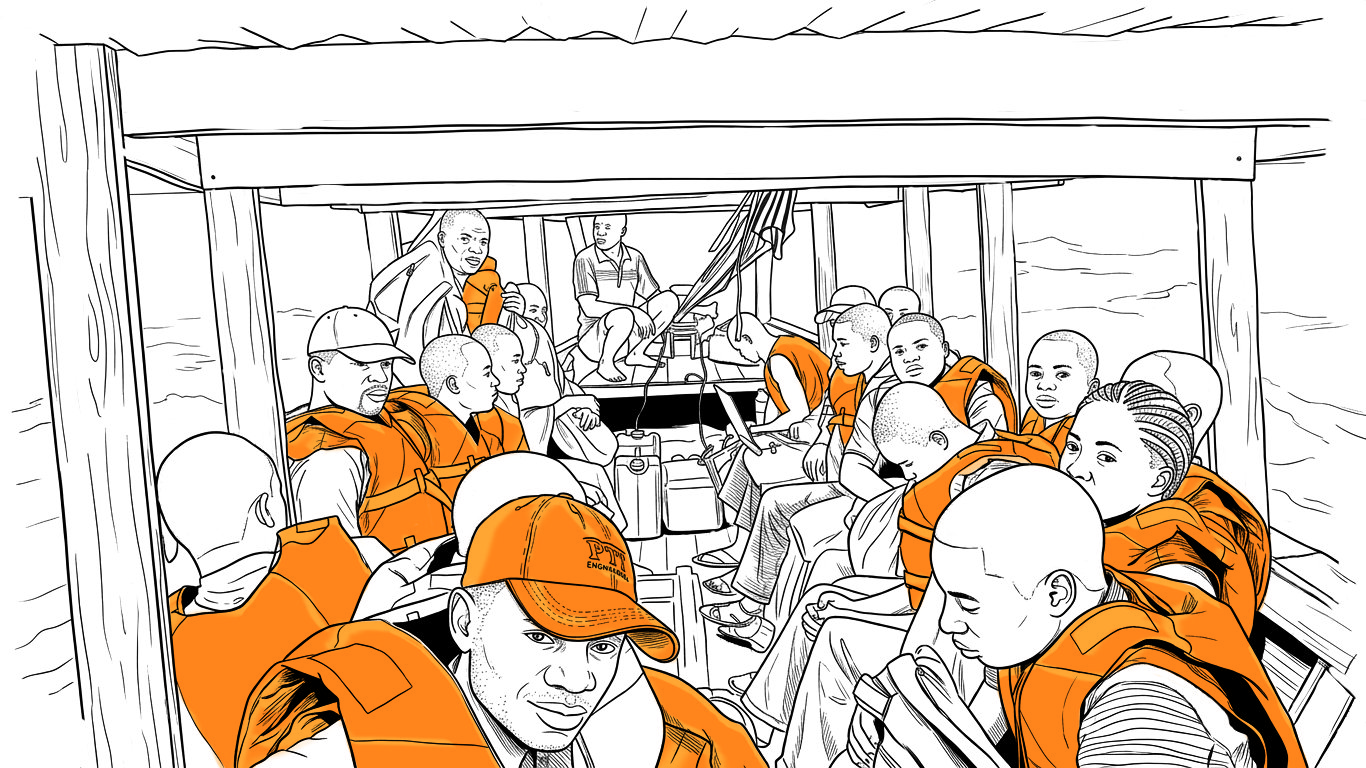
1991
First randomized clinical trial demonstrating that a single dose of oil-based chloramphenicol is an effective, easy-to-administer, and inexpensive treatment option for meningitis during an epidemic.
Changing Practices
1990
First recognition of Epicentre’s expertise in epidemiology by the United Nations, following a study on pellagra that led to changes in the composition of food rations distributed to Mozambican refugees in Malawi.
2003
Demonstration that ceftriaxone is as effective as chloramphenicol in the short-term treatment of meningococcal meningitis during an epidemic, contributing to its official adoption by the WHO in 2007.
2003–2008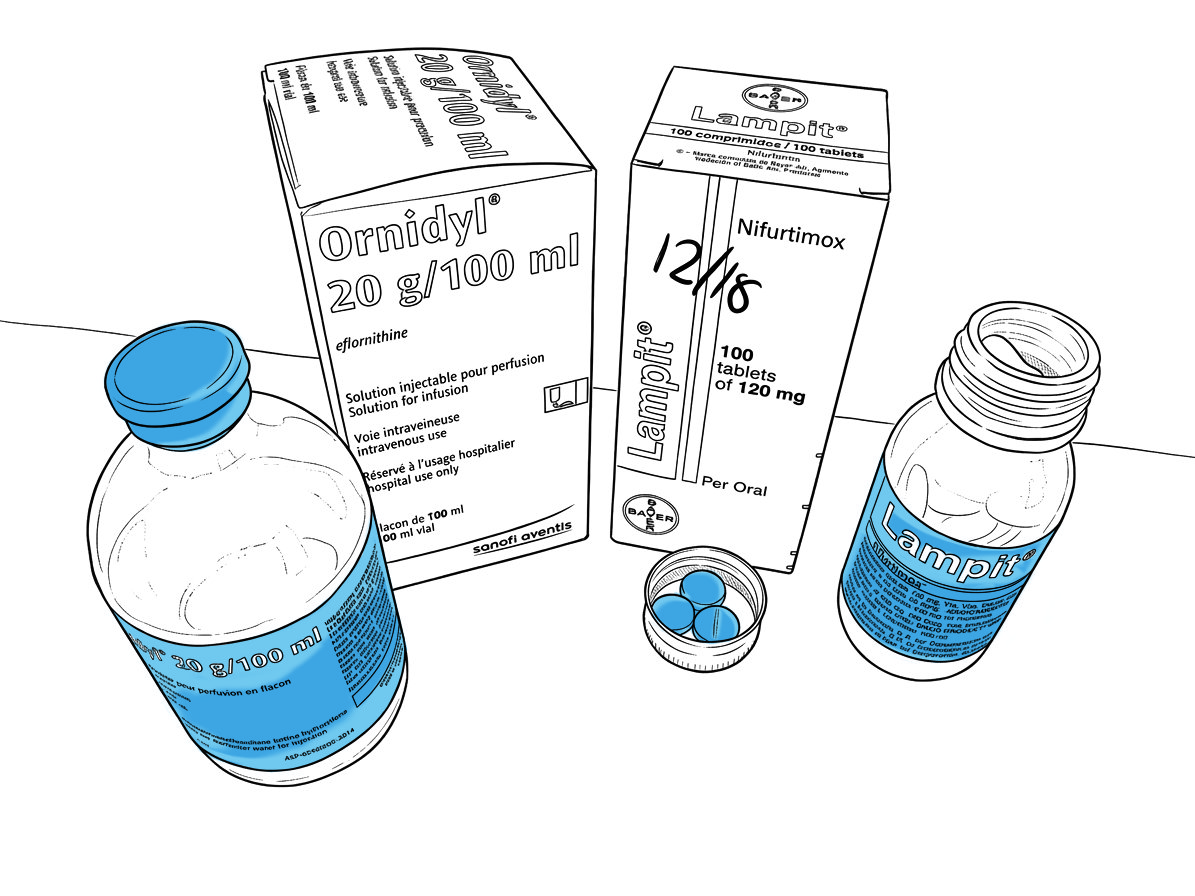
Demonstration that the nifurtimox–eflornithine (NECT) combination is as effective as eflornithine, while being better tolerated, for the treatment of sleeping sickness, leading to its inclusion on the WHO List of Essential Medicines in 2009.
2007
Evidence that a single positive microscopic examination (instead of two) is sufficient for the diagnosis of pulmonary tuberculosis, contributing to the revision of WHO recommendations.
2007
WHO recommendation of ready-to-use therapeutic foods (RUTFs) for the treatment of severe acute malnutrition (SAM), based on several studies, including those by Epicentre.
2008
Data from MSF programs supporting the shift to artemisinin-based combination therapies (ACTs) for malaria.
2016–2020
Validation of simplified protocols for the management of SAM and their integration into new WHO guidelines for humanitarian settings.
2021
Evidence that one-fifth of a dose of the yellow fever vaccine protects adults, children, and people living with HIV, leading to the expansion of WHO recommendations on fractional doses.
2024
Confirmation, in an epidemic setting, of the efficacy and safety of a two-dose hepatitis E vaccination schedule, including in pregnant women, contributing to the update of WHO SAGE recommendations.
1995
First investigation during an Ebola outbreak in Kikwit, DRC (317 cases, 245 deaths).
2014–2016
Support for MSF in responding to the outbreak in West Africa: epidemiological surveillance, analysis of transmission chains, clinical research in emergency settings, and preparation of future vaccination strategies.
2015
Participation in the Phase 3 “Ebola Ça Suffit” trial in Guinea, demonstrating the efficacy of a single intramuscular dose of the rVSVΔG-ZEBOV-GP vaccine.
2018–2020
During the 2028-2020 outbreak in DRC (≈ 3,500 cases, 2,300 deaths): contribution to the PALM clinical trial (effectiveness of the REGN EB3 and mAb114 treatments), deployment of a centralized surveillance system, analysis of decentralized care, and development of predictive tools and an Ebola-specific severity score.
2024
Publication of the results of the largest study conducted in an epidemic setting, showing that the vaccine offers strong protection against the disease and cuts mortality in infected individuals in half.
2026
Epidemiological support for MSF during the response to the Bundibugyo Ebola virus disease outbreak declared on May 15, 2026, in the DRC: Launch of a large-scale study on the vaccination of frontline workers and involvement in clinical trials of specific vaccines.
1996
MSF first used artemisinin-based combination therapies (ACTs) to treat malaria as part of trials conducted in refugee camps in Thailand.
The 1990s
Evidence emerges of growing resistance of Plasmodium falciparum to conventional antimalarial drugs (chloroquine, sulfadoxine-pyrimethamine [SP]) in several African countries, including Uganda, Côte d’Ivoire, and Angola.
1999
First randomized trial evaluating the efficacy and tolerability of the combination of artesunate and sulfadoxine-pyrimethamine compared to SP alone in Mbarara, Uganda.
2001
Evaluation of rapid diagnostic tests for malaria in Uganda. 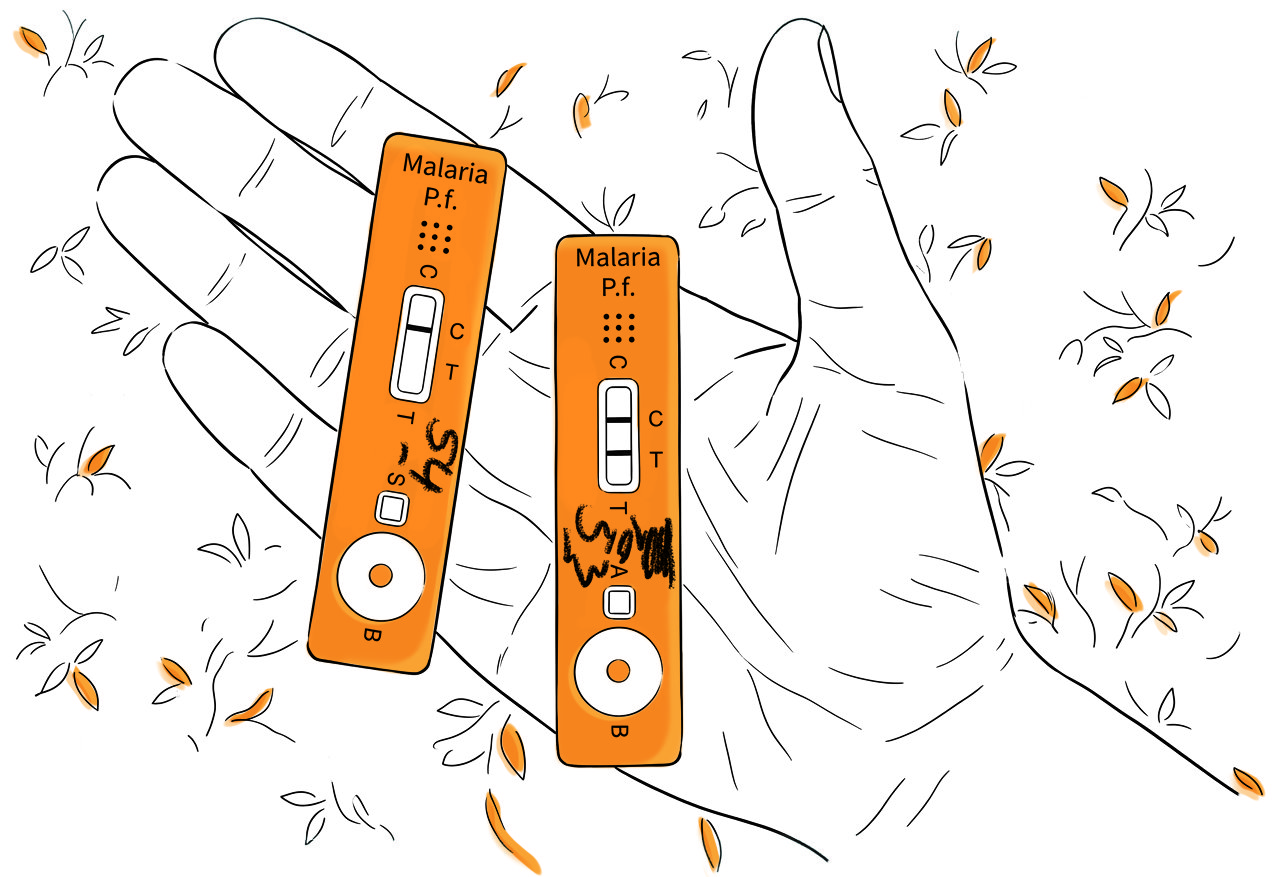
2013
First evaluation of seasonal malaria chemoprevention (SMCP) programs implemented by MSF in Koutiala, Mali, and Zinder, Niger.
2021
Site of the DETACT study, coordinated by MORU, aimed at identifying new therapeutic combinations to combat treatment resistance.
2024
Review of 10 years of SSP implementation in Moïssala, Chad, including an analysis of the program’s impact and monitoring of drug resistance.
2025
Launch of two clinical trials-one in Chad with MSF and the other in Burkina Faso and Mali with local research teams-to compare two strategies for administering the R21/Matrix-M™ vaccine.
1998
Opening of the Mbarara research center in Uganda.
MSF treats its first patient, a 14-year-old adolescent in Nagorno-Karabakh, with multidrug-resistant tuberculosis.
2007
Evidence that a single positive sputum smear test (instead of two) is sufficient to diagnose pulmonary TB.
Establishment of an L3 laboratory for TB culture in Mbarara, Uganda, with the aim of evaluating new diagnostic tests and participating in clinical trials.
2010
Coordination of the Phase 3 CARINEMO trial on TB and HIV coinfection in Mozambique.
2012–2022
Contribution to the RIFATOX, RIFAVIRENBZ, and RIFASHORT trials, evaluating shortened treatment regimens for drug-sensitive TB.
2016–2022
Observational studies on the LAM and FujiLAM TB urine tests to improve TB diagnosis among people living with HIV in Kenya, Mozambique, Malawi, and the DRC; among children with severe acute malnutrition (SAM) in Niger; and among critically ill children in Uganda.
2018–2023
The Mbarara center is a study site for TB-speed, which demonstrated the impact and feasibility of decentralizing pediatric TB diagnosis and improved diagnosis among children with severe acute malnutrition (SAM), those infected with HIV, or those with severe acute pneumonia; the STATIS study, which found no benefit to routine TB treatment in cases of HIV infection compared to treatment guided by repeated testing; and the CONTACT study, which confirmed the feasibility of community-based screening and preventive treatment among child contacts.
2023
Evaluation of artificial intelligence-assisted chest X-rays to simplify diagnosis in the Philippines.
2024
Played a central role in the endTB and endTB Q clinical trials, which identified three 9-month oral treatment regimens that were better tolerated and non-inferior to standard treatment for drug-resistant TB, and are now recommended by the WHO.
2025
Operational validation of the WHO’s treatment decision algorithms, demonstrating that they can nearly double the number of children diagnosed and placed on treatment.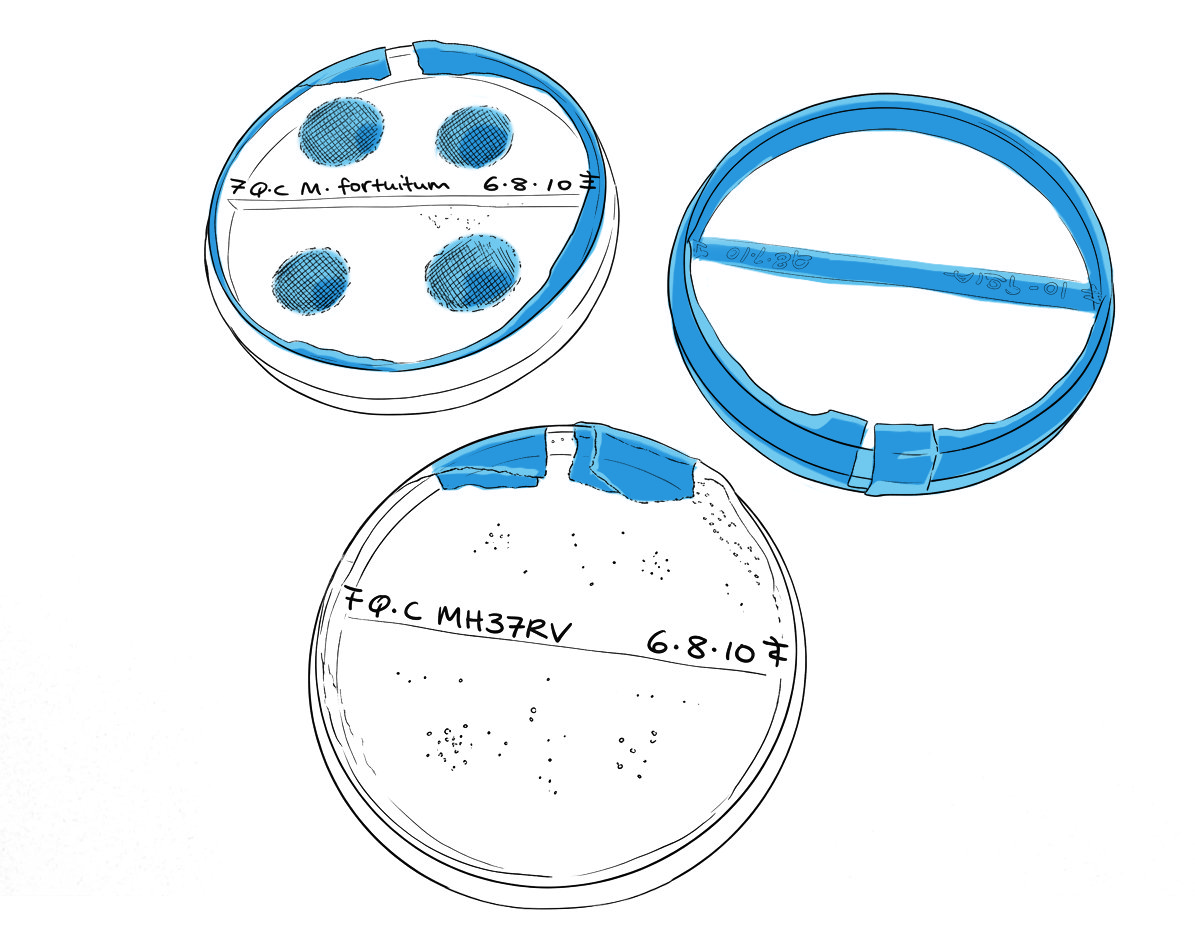
Early 2000s
MSF played a major role in ensuring access to antiretroviral drugs in the Global South.
Development of FUCHIA for monitoring patients in AIDS treatment programs and establishment of the first cohorts.
2005–2010
Demonstration that large-scale treatment is possible.
2010–2015
Study to understand care pathways and the limitations of the system, and development of the first diagnostic tools.
2017
Assessment of the long-term impact of antiretroviral (ARV) treatment programs.
2018–2023
Evaluation of “test and treat” strategies implemented in Kenya and South Africa.
2018–2024
Improving treatment adherence through differentiated model approaches (adolescents, sex workers, nomadic populations).
2026
Study of the acceptability, adoption, and impact of new HIV prevention tools among sex workers in Malawi.
2005
Nutritional crisis in Niger and establishment of the Maradi center.
1988
Demonstration of the effectiveness of intensive therapeutic centers in Tahoua, Niger.
1992
First nutritional survey methodology, followed by the development of a procedures manual and the Epinut software.
1993
Contribution to the standardization of a protocol for the management of severe acute malnutrition (including F100 therapeutic milk and ReSoMal oral rehydration solution), laying the groundwork for the WHO recommendations formalized in 1999.
2002–2003
Comparison of community-based versus nutrition center-based management of acute malnutrition in Maradi, Niger: equivalent results in terms of weight gain, with fewer dropouts and deaths in the decentralized model.
2005
First large-scale use of ready-to-use therapeutic foods (RTUFs): ~60,000 children with severe acute malnutrition (SAM) treated in Maradi, Niger, demonstrating the effectiveness of community-based care (≈90% recovery rate, <5% mortality rate).
2007
Clinical trial: Plumpy’Nut® improves weight gain and recovery and reduces treatment duration compared to CBS in children with MAM.
2006–2010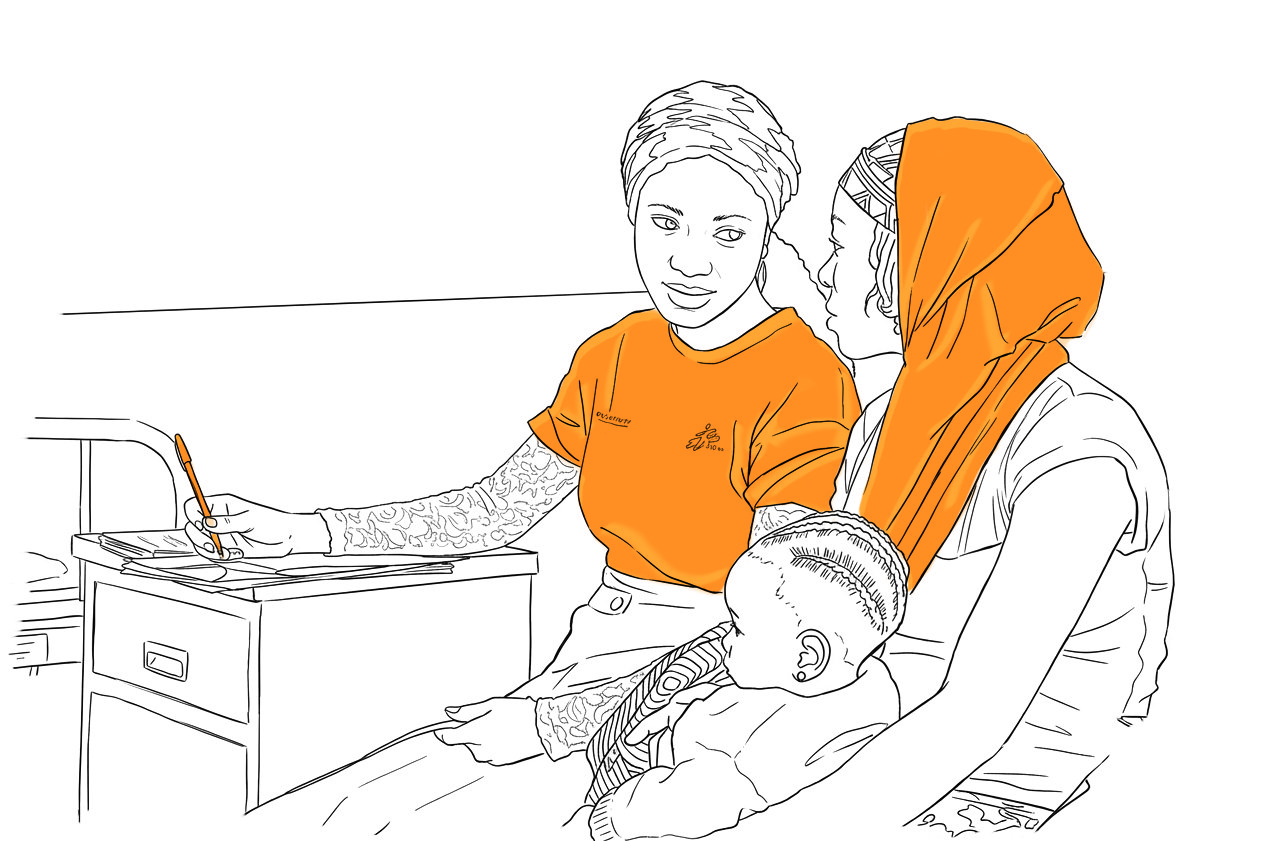
Prevention of severe acute malnutrition (SAM) in Niger: 58% reduction in the incidence of SAM through preventive distribution of ATPE, decrease in the incidence of SAM and hospitalizations following distribution of Plumpy’Doz® to 62,000 children; beneficial effect of preventive distributions of Ready-to-Use Supplementary Food (RUSF) on mortality and anthropometric status.
2009–2010
Evidence of the effectiveness of ATPE supplementation in preventing acute malnutrition and the combined benefits of nutritional supplements and cash transfers.
2016
Demonstration of the lack of benefit from the routine use of antibiotics in the treatment of uncomplicated SAM.
2026
Launch of the MDF trial evaluating a new therapeutic food targeting the gut microbiota and preparatory phase for a trial of a locally produced enriched flour (Garin Yara) as an alternative to the corn-soy Plus Plus (CSB++) blend for the treatment of acute malnutrition in Maradi, Niger.
2009–2010
Initial evaluation of a simple, cross-cultural screening scale for psychological distress in young children in Maradi, Niger.
1990s–2000s
Initial assessments of the psychological impact of conflict, sexual violence, and forced displacement in various MSF contexts.
2004–2010
Development of integrated mental health models in primary care and emergency programs.
2014–2016
Documentation of the psychosocial consequences of isolation, grief, and stigma during the Ebola epidemic.
2017
Release of the PSYCa 6-36 and PSYCa 3-6 tools, designed for non-specialists, to identify psychological difficulties in young children (depression, phobias, anxiety, regression, psychosomatic complaints, and psychotraumatic disorders).
Since 2018
Gradual integration of mental health and psychosocial indicators into certain epidemiological assessments.
2012
Results from one of the first large-scale uses of an oral cholera vaccine (OCV) during an epidemic in Guinea, demonstrating the feasibility of its implementation.
1988–1996
Extensive field experience at more than 20 sites in Africa and South America, including case-control studies identifying environmental and behavioral risk factors.
1991
Involved in the response to the cholera epidemic in Peru, following which the WHO established the Global Task Force on Cholera Control (GTFCC) in 1992.
1994
Identified extremely high crude mortality rates (20 to 35 deaths per 10,000 people per day) among Rwandan refugees in Goma (Zaire), triggering coordinated humanitarian aid and a 75% reduction in mortality within one month.
1998–1999
Demonstration of the feasibility and effectiveness in the field of the two-dose OCV vaccine in refugee camps in Adjumani, Uganda.
2003
Pilot projects in Beira, Mozambique, strengthening the evidence in favor of mass vaccination in stable urban areas.
2008
Initial field evaluations of rapid diagnostic tests (RDTs) in Lubumbashi, DRC, paving the way for their operational validation.
2010–2011
Mortality studies during one of the deadliest cholera epidemics, which occurred following the earthquake in Haiti, documenting the epidemic’s impact on the community.
2012
Introduction of the concept of small-scale urban epidemic foci, based on work in Guinea-Bissau and Chad, paving the way for targeted and responsive interventions.
2016
Contribution to the study of the genomic history of the 7th pandemic in Africa, demonstrating the role of human movement relative to environmental “outbreaks” in the spread of the disease.
2017
Demonstration of the efficacy of the Rotasiil vaccine, which is heat-stable, easy to transport, and affordable in preventing severe rotavirus gastroenteritis in infants in Niger.
2025
Demonstration that longer intervals (6 and 12 months) between two doses of the Euvichol Plus® vaccine are a viable alternative to the recommended 14-day schedule, for both children and adults, thereby facilitating vaccination strategies during epidemics.
2014
Antibiotic resistance becomes a strategic priority for MSF.
2008
Establishment of the Maradi laboratory as part of a study on antibiotic resistance.
2013
Analysis of the routine use of amoxicillin in the outpatient treatment of severely malnourished children without complications in Madarounfa, Niger.
2013–2014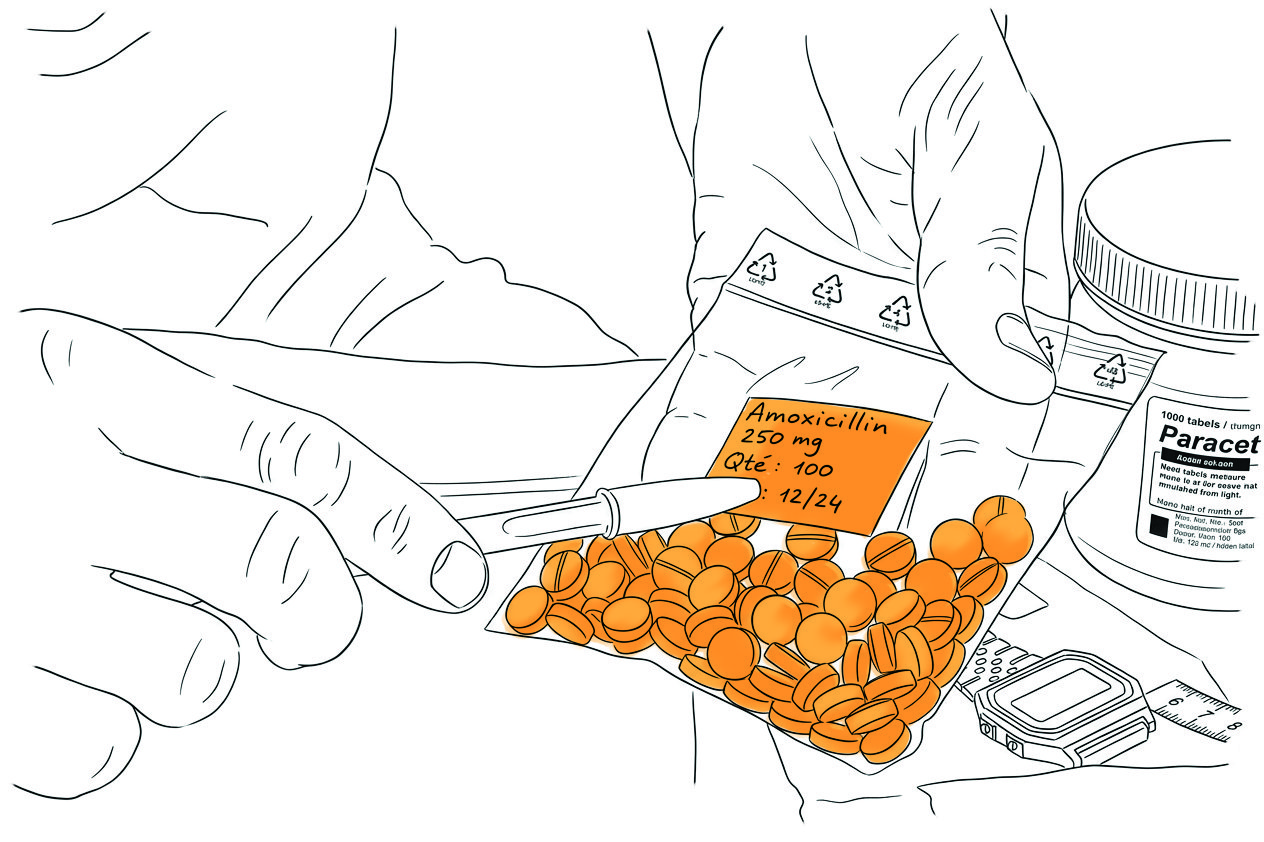
Documentation of antibiotic use in pediatric hospitals before and after the establishment of a microbiology laboratory in Koutiala, Mali.
2016–2020
Description of the etiology and antibiotic resistance of severe bacterial infections in various settings: civilians wounded in war in Middle Eastern countries, children with severe acute malnutrition (SAM), and pediatric hospital settings.
2021
Evaluation of the performance of the MSF Mini-Lab, an all-in-one modular clinical bacteriology laboratory, in a district hospital in Carnot, CAR.
2022
Characterization of invasive bacterial infections and antibiotic resistance in patients with advanced HIV hospitalized in Kinshasa, DRC.
2025
Evaluation of a rapid diagnostic test for carbapenemases (NG Test® Carba 5) with a view to introducing new antibiotics against resistant infections in the DRC, Niger, and Jordan.
2026
40 Years of Epicentre
CANCER
2020
Evidence of insufficient coverage for cervical cancer screening, with less than half of the targeted women screened in Blantyre and Chiradzulu, Malawi.
2022
Evaluation of a new cervical cancer screening strategy combining HPV testing and artificial intelligence in Malawi (as part of the international PAVE study).
2023
A retrospective study in Bamako, Mali, demonstrating the feasibility of multidisciplinary, personalized, and tailored cancer care for women with breast cancer in a resource-limited setting.
2024–2025
Symposium on diagnostic delays for pediatric cancers in Mbarara, Uganda, and launch of a study to develop a decision-making algorithm to improve detection and enable earlier treatment.
SICKLE CELL ANEMIA
2025
Documentation of the use of hydroxyurea in children in Madarounfa, Niger.
2026
A mixed-methods study evaluating the feasibility of decentralizing care in Kasese, Uganda.
HYPERTENSION
2025
A mixed-methods study on the feasibility of simplified treatments and the decentralization of care, inspired by HIV models, in Homa Bay, Kenya.